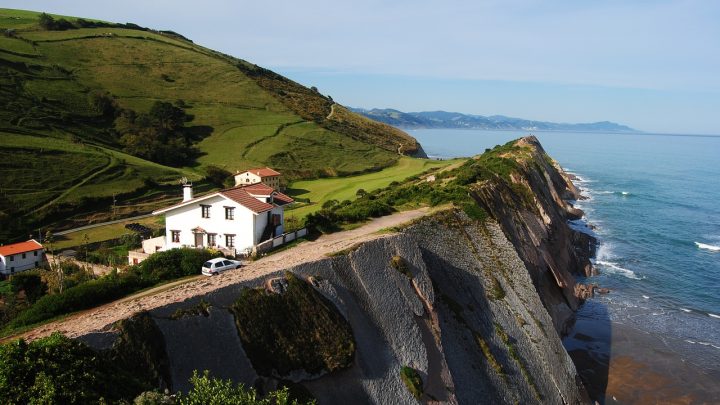
Les falaises d’Étretat, true masterpieces of nature, rise majestically on the Alabaster Coast in Normandy. Their impressive verticality, reaching nearly 90 meters, offers a breathtaking spectacle. These limestone and siliceous formations, shaped by millions of years of erosion, are home to exceptional biodiversity and fascinating legends. This natural site, both fragile and precious, invites respectful exploration, between panoramic hikes and water activities. Preserving this geological wonder is a significant challenge, as erosion and tourism threaten its delicate balance.
What geological wonders make up the cliffs of Étretat?
The cliffs of Étretat are famous for their spectacular formations, such as the Porte d’Aval, the Aiguille Creuse, and the Manneporte. These natural structures, sculpted by erosion, testify to the geological history of the region. The Porte d’Aval, with its majestic arch, and the Aiguille Creuse, standing 51 meters high, are iconic symbols of the wild beauty of the Normandy coast.
These limestone and siliceous formations result from a complex erosion process, influenced by tides and weather conditions. This ongoing erosion shapes the cliffs, creating ever-evolving landscapes. Visitors are invited to admire these wonders while respecting the fragile environment that surrounds them.
How is the biodiversity of the cliffs preserved?
The cliffs of Étretat are home to specific fauna and flora, with protected species such as seabirds. The preservation of this biodiversity is essential to maintain the ecological balance of the region. Conservation initiatives are underway to protect these unique natural habitats.
A Grand Site de France labeling project aims to raise public awareness of the importance of protecting this fragile ecosystem. Visitors are encouraged to follow safety guidelines and not disturb the local fauna and flora. Every gesture counts in preserving the natural beauty of the cliffs of Étretat.

Which hiking trails offer the best views?
The GR21, a famous hiking trail, crosses the cliffs of Étretat and offers breathtaking panoramas. This marked path allows hikers to safely discover the spectacular landscapes of the Alabaster Coast. The stunning views of the sea and rock formations are a true delight for nature lovers.
Other less frequented trails provide unique perspectives on the cliffs and their surroundings. Hikers are invited to respect marked paths to preserve the fragile vegetation and avoid risks related to erosion. A hike in Étretat is an unforgettable experience, combining adventure and contemplation.
What water activities allow exploration of the cliffs?
Water activities, such as kayaking and stand-up paddleboarding, offer a unique perspective on the cliffs of Étretat. From the sea, visitors can admire the grandeur of the rock formations and immerse themselves in the natural beauty of the coast. These activities allow for a respectful exploration of the marine environment.
Adrenaline junkies can also try sailing or scuba diving to discover the hidden treasures of the seabed. Local providers offer guided excursions to ensure the safety of participants and the respect of the fragile ecosystem.
How does cultural heritage enhance the visit to the cliffs?
The cliffs of Étretat are steeped in a rich cultural history that has fascinated visitors for centuries. Artists such as Claude Monet and Gustave Courbet immortalized these landscapes in their works, contributing to their international fame. Legends, such as that of the treasure of the Kings of France mentioned by Maurice Leblanc, add a mysterious dimension to this iconic site.
Visitors can also explore the picturesque villages of the region, such as Honfleur and Deauville, which offer a glimpse into Norman heritage. Between art, history, and nature, visiting the cliffs of Étretat is an enriching experience that feeds the mind and delights the senses.
In 1927, aviators Nungesser and Coli disappeared while attempting to cross the Atlantic, and their last point of contact with land was the cliffs of Étretat, adding an aura of mystery to this already legendary site.
The cliffs of Étretat, with their stunning beauty, offer a multitude of experiences to be enjoyed.
- Hiking : Marked paths allow for the exploration of spectacular landscapes while ensuring hiker safety.
- Biodiversity : The region is home to a variety of fauna and flora, with protected species enriching the local ecosystem.
- Legends : Mythical tales, such as the story of the Aiguille Creuse, add a fascinating dimension to the visit of these iconic cliffs.
- Protection : Conservation initiatives are in place to preserve these fragile geological formations against the threats of erosion and tourism.
- Observation : Scenic viewpoints offer ideal opportunities to admire the natural beauty of the coasts and the sea.
What legends surround the cliffs of Étretat?
The cliffs of Étretat are not only a natural jewel, but they are also wrapped in captivating legends. Among the most famous stories is that of the Aiguille Creuse, popularized by Maurice Leblanc in the adventures of Arsène Lupin, which speaks of a treasure hidden in this rock formation. This story fuels the imagination of visitors, who enjoy exploring the area with a curious eye, perhaps hoping to discover a clue left by the gentleman thief.
Another legend tells of a fairy who once inhabited these cliffs, watching over sailors and fishermen. It is said that her tears, shed out of love for a sailor lost at sea, sculpted the majestic arches we admire today. This poetic myth adds a romantic dimension to the visit to the cliffs, where each stone seems to whisper ancient secrets.
Local legends also speak of spectacular shipwrecks and mysterious apparitions, reinforcing the mystical aura of the cliffs. These tales, passed down from generation to generation, enrich the experience of visitors, who discover a place where history and mythology meet to create a unique and enchanting atmosphere.
What impact does erosion have on the cliffs?
Erosion, an inevitable natural phenomenon, plays a determining role in the evolution of the cliffs of Étretat. The powerful waves of the sea, combined with weather conditions, continuously sculpt these rock formations, altering their appearance over time. This process, although natural, poses a challenge for the preservation of this iconic site. Specialists closely monitor erosion to anticipate changes and implement appropriate protection measures, thus ensuring the longevity of these geological wonders for future generations.
How to enjoy the cliffs while respecting the environment?
Visiting the cliffs of Étretat can be a rewarding and environmentally friendly experience by following a few simple practices. It is recommended to stay on marked paths to avoid disturbing local flora and minimize the impact on fragile soil. Visitors are also encouraged to take their waste with them and use the bins provided. By adopting these responsible gestures, everyone contributes to the preservation of this exceptional natural site, ensuring that its beauty can be admired by all, today and tomorrow.
Why are the cliffs of Étretat a treasure to preserve?
The cliffs of Étretat represent much more than just a place to visit; they are a natural and cultural treasure to be preserved for their spectacular beauty and ecological richness. Their geological significance, combined with the incredible biodiversity they shelter, makes them a unique site in Normandy. By respecting and protecting this fragile environment, visitors actively participate in the conservation of this invaluable heritage. Every gesture counts to ensure that future generations can also marvel at these majestic landscapes, where nature and history intertwine harmoniously.