Mexico is a popular tourist destination for its beaches, culture, and history. But one of the main attractions of the country lies in its colorful and tasty street food. Mexican cuisine is known worldwide for its unique flavors and fresh ingredients. In this article, we will explore the specifics of Mexican street food and its impact on gastronomic tourism.
Must-Try Mexican Specialties
Mexican cuisine is rich in ingredients such as corn, pepper, and beans. It is as diverse as the country itself and is full of regional specialties. Here are some of the iconic dishes of Mexican street food:
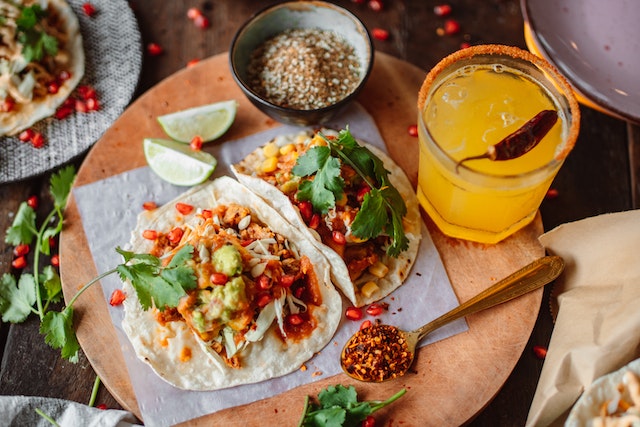
- Tacos: Tacos are undoubtedly the most popular street food in Mexico. They are typically filled with meat, fresh vegetables, hot sauce, and cilantro.
- Quesadillas: These tortillas filled with melted cheese and various ingredients are also very popular. They can be served with meat or vegetables.
- Elotes: This is grilled corn served with mayonnaise, cheese, and pepper. A must-try in Mexican street food!
- Tamales: These small bites are made with corn flour steamed in corn husks. They can be filled with meat, vegetables, or fruits.
- Tortas: This Mexican sandwich is usually filled with meat, avocado, tomatoes, and onions. It is often served hot and grilled.
The Culinary Journey: A New Form of Gastronomic Tourism
More and more travelers are seeking authentic experiences when visiting a foreign country. Mexican street food offers this unique opportunity to taste local flavors and immerse oneself in the culture of the country. The markets and food stalls found throughout Mexico allow visitors to discover a wide variety of typically Mexican dishes without having to go to a restaurant.
Discovering Local Markets
Local markets are a true meeting place for locals and tourists alike, who come to buy fresh produce and taste typical dishes of the region. Each market has its own atmosphere and specialties, making each visit unique and memorable. While exploring these markets, visitors have the chance to taste new flavors and interact with locals.
Cooking Classes: An Immersive Experience
For those who want to go further in their exploration of Mexican cuisine, participating in a cooking class is an excellent option. Many culinary workshops are offered to tourists to learn how to prepare traditional dishes such as tacos, enchiladas, or ceviches. These experiences also provide a better understanding of the history and culture of the country through its cuisine.
The Impact on Tourism in Mexico
The growing popularity of Mexican street food has a positive impact on tourism in Mexico. Indeed, this trend attracts more and more travelers eager to discover the gastronomic delights of the country. Local authorities have become aware of this enthusiasm and are implementing policies to encourage the development of this tourist activity.
International Recognition
In 2010, Mexican cuisine was inscribed on the UNESCO list of the intangible cultural heritage of humanity. This international recognition gives real legitimacy to Mexican street food and contributes to its growth. To read the article and learn everything about Mexican street food, click here.
The Development of Gastronomic Tourism
In response to this growing interest in Mexican street food, local authorities have initiated initiatives to promote this sector. For example, gastronomic events are regularly organized to highlight Mexican specialties and attract an increasingly wider audience.
Food Quality and Safety
One of the major challenges for the development of gastronomic tourism in Mexico is to ensure the quality and food safety of the products offered at food stalls. Health authorities implement strict measures to ensure the cleanliness of the stands and the freshness of the ingredients used.
Strict Standards
To ensure visitor satisfaction, local authorities have established stringent hygiene and food safety standards. These standards concern, in particular, food handling, ingredient storage, and the equipment used by street vendors.
Training and Awareness of Vendors
Food vendors are also trained in good hygiene and food safety practices. Awareness campaigns are regularly conducted with merchants to encourage them to comply with these rules and maintain an optimal level of quality.
In conclusion, Mexican street food represents a major asset for tourism in Mexico. It attracts many travelers in search of authenticity and local flavors. Local authorities have become aware of this enthusiasm and are implementing initiatives to encourage the development of this promising tourist sector.